

24 January 2013

Moscato Rosa becomes suitable for cultivation
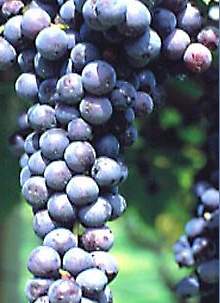
A new grape variety expands Sicily's ampelographic platform. With the 2012 decree of the General Director of the Regional Department of Structural Interventions for Agriculture, the cultivation in the regional territory of Moscato Rosa was authorized, a variety particularly suitable for the production of various types of after-dinner wines, i.e. natural sweets, liqueurs, late harvest. Moscato Rosa thus becomes one of the grape varieties "suitable for cultivation".
The request for authorization was made by IRVOS which, together with the "Viticultural and Oenological Research Unit", carried out field observations and oenological experiments at the microvinification cellar for several years.
Field production of the vine is particularly low, in some years even much lower than one kilogram per plant, due to low fertility and because the bunches can have a high level of sagging and low fruit set. The bunch is medium-large in size, pyramidal or cylindrical-conical in shape, elongated, winged, slightly sparse. The grape is spheroidal and sometimes slightly flattened, with a thin but leathery skin, very pruinous and of an intense purple colour; showed a slight sensitivity to powdery mildew. In Sicily, Moscato Rosa was harvested at the end of August - beginning of September, when good overripeness of the bunches on the vine was achieved. The experimentally obtained wines, light ruby red in color, highlighted aromatic notes of rose, ripe fruit, jam and a good tasting persistence. There are several theories about the origin of the vine. It seems that the cultivar is of Greek origin and passing through Sicily it arrived in Trentino and Friuli in the mid-nineteenth century thanks to the Sicilian princes of Campofranco. Or, another hypothesis claims that Moscato Rosa was brought from the East to the West by a spice trader. Yet another claims it was imported from South America, where it is known by the name of Rose of Peru or finally it could be the result of a mutation resulting from fortuitous crossbreeding. Di Rovasenda 1877 and other scholars identified it in the Columella apiana grape. According to others, it originates from the Caucasus and subsequently settled in Dalmatia. It arrived in the Dolomites in the early twentieth century as a wedding gift to a noble girl from a local cellar dynasty.
Ultime notizie
News September 1, 2026
Remunerations for Political Bodies
Extraordinary Commissioner Giuseppa Mistretta period from 01/01/2025 to 31/12/2025 €14.
News April 8, 2026
VINITALY 2026, SICILY LEADING WITH 164 WINERIES: ORGANIC PRODUCTION LEADING INTERNATIONAL ATTRACTION
From the land to the glass: panels and masterclasses for the island, a pioneer of technological progress and a gem of wine tourism hospitality. From Sicily to Verona, 164 of the island's wineries are already buzzing with excitement as they arrive at the 58th edition of Vinitaly from April 12th to 15th.
News January 30, 2026
Duties assigned and authorized to employees
List of tasks authorized in the year 2026 EMPLOYEE SUBJECT OF THE ASSIGNMENT DURATION COMPENSATION Ragusa Mario Experimental activity hot water production Occasional free Prinzivalli Leo Teaching year 2026 the compensation will be determined at the end of the assignment Picciolo Alessandro Teaching Feb-Oct 2025 free Sparacio Antonio RUP for cleaning service of winemaking rooms experimental cellar and other services 9 months (7/2025-3/2026) € 162.23 Sparla Salvatore DEC for cleaning service of winemaking rooms experimental cellar and other services 9 months (7/2025-3/2026) € 104.
 English
  Italian